Call or Text: +1 (208) 425-2990
Email: Sales@DroneSprayPro.com

DJI Agras Smart Battery Features Explained
DJI Agras smart batteries are essential for efficient agricultural drone operations. They stand out with high capacity (up to 41,000 mAh), rapid charging (as fast as 9–12 minutes), and long lifespans (up to 1,500 charge cycles). These batteries reduce downtime, making them ideal for large-scale farming tasks like spraying and planting.
Other brands, such as Talos T60X, XAG, and ABZ Innovation, also offer competitive options, but they differ in capacity, charging speed, and durability. For example:
- DJI Agras: High capacity, fast charging, durable, but expensive and compatible only with DJI systems.
- Talos T60X: Lower capacity, slower charging, shorter lifespan, but budget-friendly for smaller farms.
- XAG: Comparable capacity and fast charging but fewer protective features.
- ABZ Innovation: Reliable with decent capacity but shorter cycle life and slower charging.
Quick Comparison
| Battery | Capacity | Charge Time | Cycle Life | Durability | Best For |
|---|---|---|---|---|---|
| DJI Agras | Up to 41,000 mAh | 9–12 minutes | 1,000–1,500 | IP54-rated | Large-scale operations |
| Talos T60X | 20,000–22,000 mAh | 45–60 minutes | 500–600 | Moderate | Mid-sized farms |
| XAG | Up to 30,000 mAh | 9–12 minutes | 1,000–1,500 | IP54-rated | Mixed environments |
| ABZ Innovation | Up to 30,000 mAh | 30–40 minutes | 500+ | IP54-rated | Smaller tasks |
DJI Agras batteries are ideal for farms requiring maximum uptime and efficiency, while alternatives like Talos or ABZ Innovation may suit smaller operations or budgets.
Mastering Battery Safety & Maintenance for Agras Drones
1. DJI Agras Smart Battery
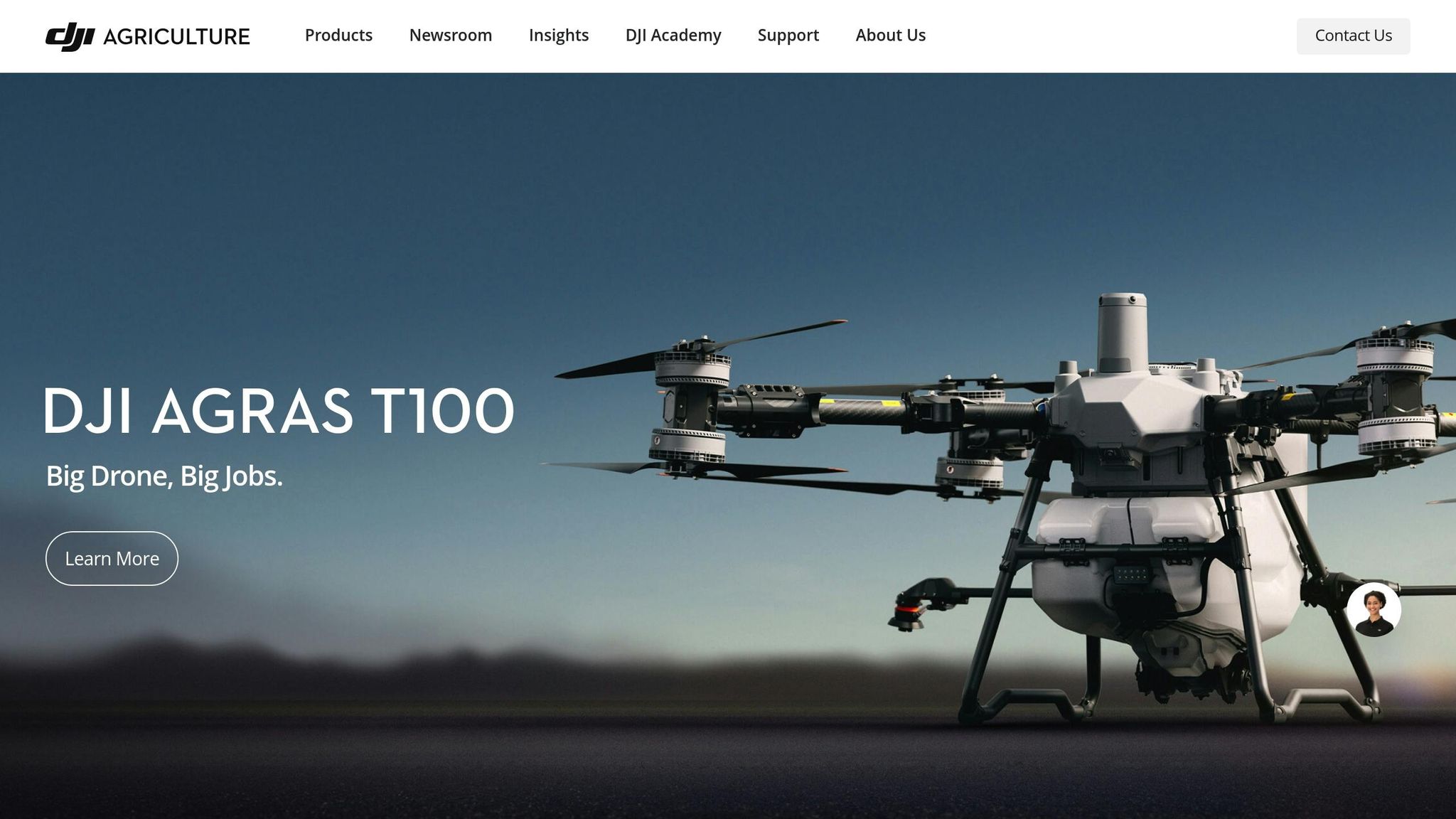
DJI Agras smart batteries are built to meet the high demands of American farming, providing reliable power for large-scale operations. Designed for efficiency and durability, these batteries excel in critical areas like capacity, cycle life, charging speed, and resilience. Let’s break down what makes them stand out.
Capacity
The T30 battery packs an impressive 29,000 mAh at 51.8V (1,500 Wh) [7]. Meanwhile, the T40 and T50 models deliver nearly 30,000 mAh, supporting flight times of 10–15 minutes depending on the payload [1][3]. This ensures enough power for extended flights across expansive fields.
Cycle Life
When it comes to longevity, the T30 and T40 batteries are rated for over 1,000 cycles, while the T50 can handle up to 1,500 cycles [1][3]. This extended lifespan minimizes the need for frequent replacements, helping to keep long-term costs under control.
Charging Time
Time is everything during crucial spraying periods, and DJI Agras batteries are designed with this in mind. They can fully charge in just 9–12 minutes [1]. For example, the T30 reaches full charge in 10 minutes, while the T50 goes from 30% to 95% in only 7–8 minutes [6]. This rapid charging capability allows for uninterrupted operations, eliminating downtime.
Durability
Built tough, these batteries feature an IP54 rating, potting on circuit boards, and corrosion-resistant materials [1]. They operate reliably in temperatures ranging from –10°C to 40°C (14°F–104°F) [7]. Quick-release designs make swapping batteries fast, and built-in protections guard against over/under-voltage, extreme temperatures, short-circuits, and fan stalls [2].
These features highlight why DJI Agras batteries are a top choice for modern farming. Next, we’ll take a look at how they compare to battery systems from other leading models.
2. Talos T60X Battery
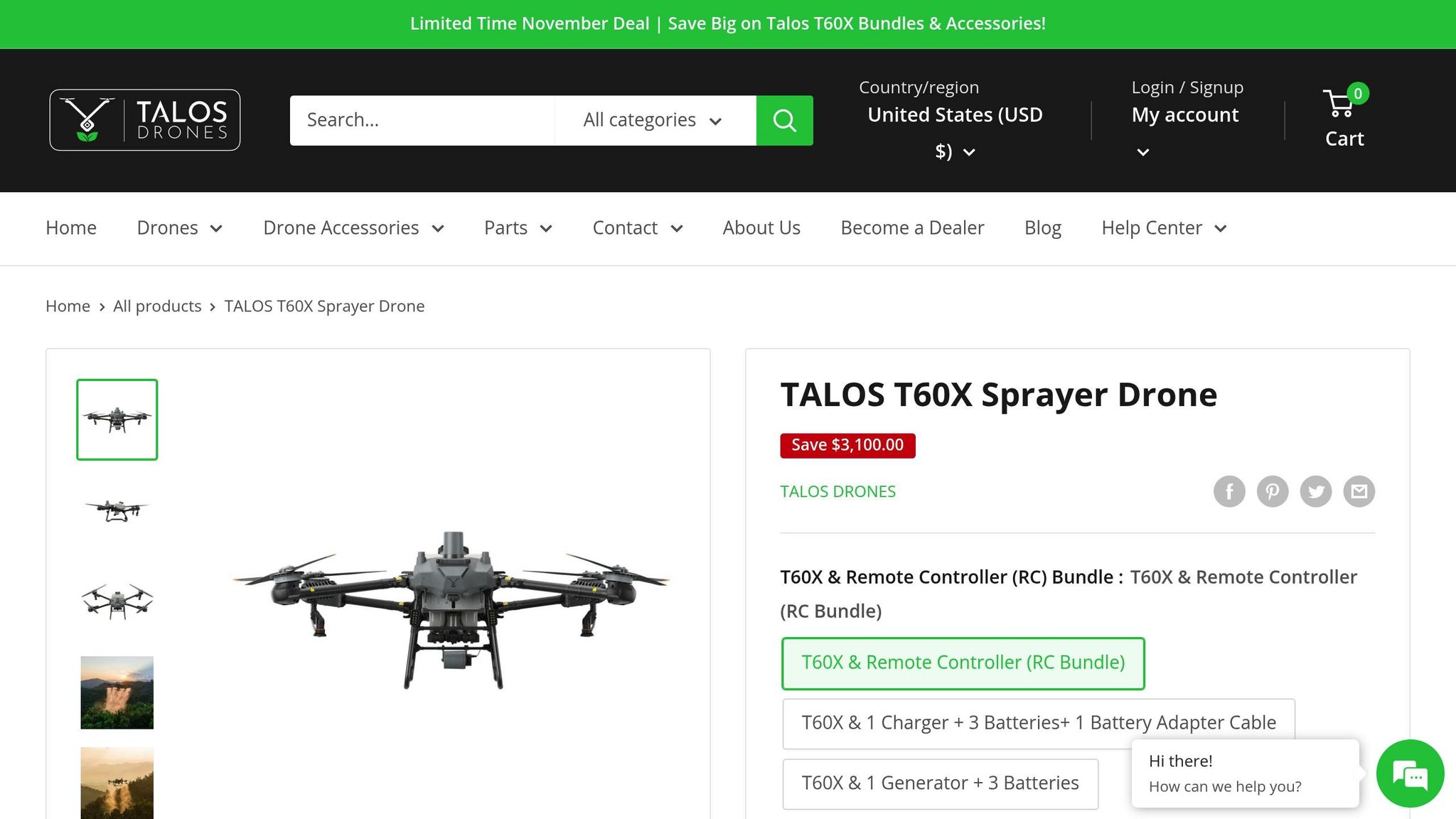
The Talos T60X battery is a solid option for agricultural use in the U.S., though it does come with a few trade-offs when compared to DJI Agras models. Designed with durability and efficiency in mind, it caters to specific farming needs. Here's a closer look at its key performance metrics.
Capacity
The Talos T60X battery typically offers a capacity of 20,000–22,000 mAh at 52V, which is less than the 30,000 mAh capacity found in DJI Agras T40 and T50 batteries [5]. This translates to 15–20 minutes of flight time for agricultural spraying, slightly shorter than the 20–25 minutes provided by DJI drones carrying similar payloads. While the reduced capacity means more frequent battery swaps, the T60X is tailored for lighter loads and smaller fields, making it a good fit for mid-sized farms and precision spraying tasks.
Cycle Life
In terms of longevity, the Talos T60X battery is rated for 500–600 charge cycles before its capacity drops below 80%. This is less than the 1,000–1,500 cycles offered by DJI Agras T40 and T50 batteries. As a result, Talos batteries may need replacing every 1.5–2 years, compared to the 3–5 years you might get with DJI models. This shorter lifespan can lead to higher long-term costs and requires careful planning for replacements and maintenance.
Charging Time
Charging the Talos T60X battery takes 45–60 minutes, which is significantly longer than the 9–12 minutes required for DJI Agras batteries. This extended charging time can slow operations during busy spraying seasons, potentially requiring farmers to keep multiple batteries on hand or coordinate schedules around charging needs. The battery uses a standard DC charging port compatible with most agricultural drone chargers, but it does not support rapid or ultra-fast charging protocols.
Durability
The Talos T60X battery is built to handle tough field conditions, offering protection against dust and water splashes. Its rugged casing and internal circuit board protection help it endure impacts and vibrations commonly encountered during agricultural work. However, it lacks the advanced potting protection found in DJI Agras batteries, which could make it less resistant to moisture and corrosion in extremely wet or dusty environments. Extra caution is recommended when operating in heavy rain or high humidity.
While the Talos T60X includes basic smart features like real-time voltage and temperature monitoring, low-battery alerts, and automatic safety shutdowns, it does not offer the advanced battery management algorithms found in DJI systems. These algorithms can optimize discharge cycles and extend overall battery life, giving DJI batteries an edge in terms of long-term performance.
3. XAG Battery System
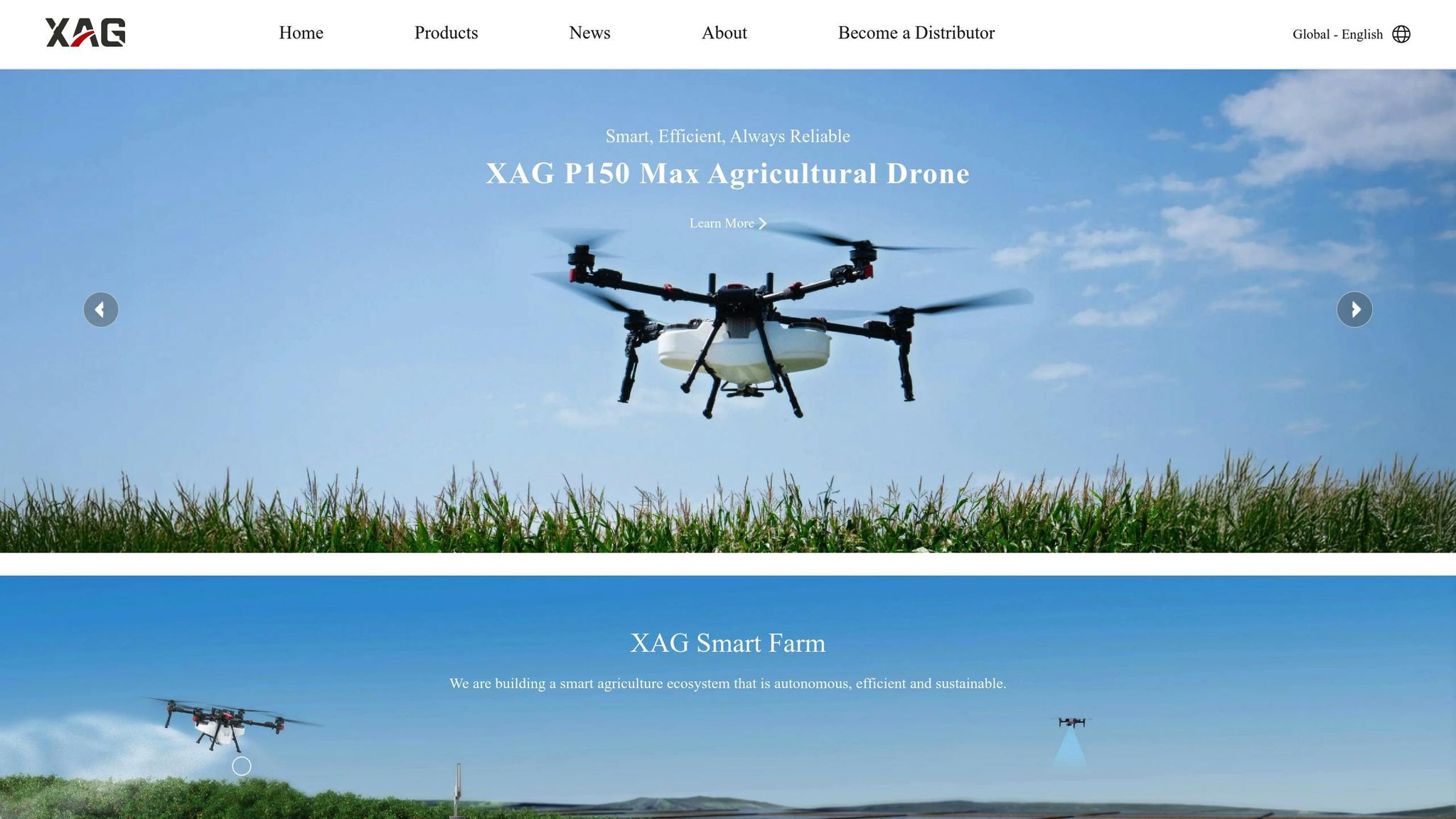
The XAG battery system stands shoulder-to-shoulder with DJI Agras benchmarks, offering dependable power and impressive specs tailored for agricultural drone spraying in the U.S.
Capacity
With a capacity of 30,000mAh and a voltage range of 51.8V–52.22V, XAG batteries are designed to match the performance of DJI Agras batteries. This ensures extended flight times, allowing drones to cover more acreage efficiently [1][4].
Cycle Life
XAG batteries are built to last, supporting between 1,000 and 1,500 charge cycles [1][4]. For instance, the T40 model is rated for 1,000 cycles, while the T50 can handle up to 1,500 cycles. Although the initial cost per battery ranges from $1,000 to $2,000, the long lifespan helps reduce downtime and increases overall value [1][4].
Charging Time
Quick charging is a standout feature of XAG batteries. They can fully recharge in just 9–12 minutes when paired with compatible high-power chargers. With a charge rate of up to 6C, the system eliminates the need for cooldown periods, helping operators maximize efficiency [1][4].
Durability
Designed for tough agricultural environments, XAG batteries bring durability to the forefront. They feature IP54-rated water and dust resistance, corrosion protection through circuit board potting, and an intelligent management system that monitors voltage, temperature, and charge cycles. This system also safeguards against risks like overheating, over-voltage, and short circuits [1][2][4]. Additionally, the T40 model supports an impressive 11.5C discharge rate and weighs around 22.2 lbs [1].
sbb-itb-3b7eef7
4. ABZ Innovation Battery
The ABZ Innovation battery system brings precision engineering from Europe to U.S. agricultural drone operations, providing a dependable power source designed to handle the challenges of modern farming.
Capacity
The ABZ Innovation batteries pack a punch when it comes to power. The L30 model boasts a 30,000 mAh capacity at 44.4V, offering extended spraying coverage for larger fields. Meanwhile, the L10 model operates with a 16,000 mAh, 44.4V configuration, making it a versatile option for smaller tasks. This high-capacity design ensures consistent performance throughout demanding operations.
Cycle Life
Built to last, these batteries are rated for over 500 cycles, making them a reliable choice for multiple farming seasons. Their sturdy construction and efficient charge handling add to their longevity, ensuring they keep up with the demands of agricultural work.
Charging Time
A complete charge takes just 30–40 minutes, making battery rotation essential for uninterrupted operations. This quick turnaround time, paired with their durable build, ensures the batteries are ready to perform when needed.
Durability
Designed for tough agricultural environments, these batteries come with IP54-rated protection against dust and moisture. They include an advanced management system that guards against overheating, over-voltage, and short-circuiting, even in challenging conditions. The weather-resistant casing is built to handle the bumps, vibrations, and impacts that are part of drone operations, ensuring reliable performance across varying climates in the U.S.
Advantages and Disadvantages
Each battery system comes with its own set of strengths and limitations, influencing how well it performs in real-world operations.
DJI Agras batteries stand out for their fast charging, long cycle life, and strong durability. They are IP54-rated for water and dust resistance, making them reliable in tough field conditions. Plus, their advanced smart management features allow for real-time monitoring and easier maintenance planning. However, these benefits come with trade-offs: the batteries are heavier, more expensive, and require specialized high-power chargers. Additionally, their compatibility is limited to DJI systems, which can be a drawback for those using mixed equipment.
Talos T60X batteries, while capable of rapid charging and offering a modular design for quick swaps, lack some of the advanced smart features found in other systems. Another challenge is the limited availability of detailed technical data, making it harder to assess their long-term reliability.
XAG battery systems are designed with user convenience in mind. Their modular structure allows for quick battery changes, and they integrate seamlessly with XAG drones. They also provide a good cycle life. On the downside, these batteries typically have a lower maximum capacity compared to DJI Agras batteries and fewer protective features for extreme environments, which could limit their performance in harsher conditions.
ABZ Innovation batteries showcase solid European engineering, offering dependable construction and a decent capacity. The L30 model, for example, delivers 30,000 mAh at 44.4V and charges in about 30–40 minutes. They also feature IP54 protection and an advanced management system. That said, their cycle life (around 500+ cycles) falls short of DJI systems, and their smart management capabilities are less advanced.
Here’s a quick overview of the key advantages and disadvantages for each system:
| Battery System | Advantages | Disadvantages |
|---|---|---|
| DJI Agras | High capacity (up to 41,000 mAh), fast charging (7–12 min), IP54-rated durability, advanced smart management, long cycle life (1,000–1,500 cycles) | Heavy, expensive, needs specific chargers, limited compatibility with non-DJI systems |
| Talos T60X | Sufficient capacity, rapid charging, modular design for easy swaps | Limited technical data, lacks advanced smart features |
| XAG | Modular design, quick battery changes, good cycle life, seamless integration with XAG drones | Lower capacity, fewer environmental protection features |
| ABZ Innovation | Strong European construction, decent capacity (30,000 mAh), IP54 protection, 30–40 min charging time | Shorter cycle life (around 500+ cycles), less advanced smart management |
Choosing the right battery system depends on your specific needs. For high-volume operations that demand longer battery life and quicker charging, DJI Agras batteries might be worth the higher upfront cost. On the other hand, smaller setups or those prioritizing ease of use may find Talos T60X or XAG systems more appealing. Meanwhile, ABZ Innovation batteries strike a balance, offering reliable performance with solid engineering.
For U.S. farmers using Drone Spray Pro, the added benefit of local expertise - shaped by years of experience in Idaho's crop spraying industry - ensures that operational needs take center stage. With insights into how these batteries perform in real-world conditions, farmers can make informed decisions tailored to their specific requirements.
Conclusion
When it comes to agricultural drone operations, DJI Agras smart batteries stand out for their impressive capacity, quick charging, and extended lifespan. With models offering up to 41,000 mAh, charging times as short as 8–12 minutes, and the ability to handle up to 1,500 cycles, these batteries are designed to keep up with the demands of modern farming. Their instant charging without a cooldown period means farmers can maintain continuous operations during critical spraying windows - an absolute game-changer for U.S. farmers dealing with tight schedules and unpredictable weather [1][3].
For large-scale, time-sensitive farming, DJI Agras smart batteries deliver advanced battery management, reliable safety features, and the durability of an IP54 rating. While the upfront cost may be higher, the extended lifespan and reduced downtime contribute to a lower overall cost of ownership in the long run.
On the other hand, smaller farms or those with less demanding spraying needs might consider alternative systems. Still, DJI's reputation for reliability and robust protection mechanisms makes their batteries a solid choice for a wide range of operations.
Farmers in Idaho using DJI Agras T40 drones have reported significant efficiency gains, particularly during peak spraying periods. Thanks to the rapid battery swaps and minimal charging downtime, these systems have allowed uninterrupted operations when timing matters most [1][4].
Drone Spray Pro offers invaluable support, from sales and training to FAA licensing and customized drone packages. Their expertise helps U.S. farmers, particularly in Idaho, make the most of DJI Agras smart batteries and their advanced features.
For farmers focused on maximizing uptime and achieving long-term value, DJI Agras smart batteries set the standard. Their reliability and performance make them an essential tool for boosting efficiency and profitability in agricultural drone operations.
FAQs
What are the main benefits of DJI Agras smart batteries for large-scale farming operations?
DJI Agras smart batteries are built to boost efficiency and dependability in large-scale farming tasks. They come equipped with advanced charging and discharging systems that maintain peak performance, extend battery life, and minimize downtime. Thanks to their high-capacity design, these batteries enable drones to fly longer, covering more ground on a single charge.
Safety is also a priority, with features like overcharge and overheat protection ensuring smooth and secure operation, even during demanding use. For farmers and agricultural businesses, these batteries simplify daily tasks, lower maintenance efforts, and help maximize productivity in the field.
What makes DJI Agras smart batteries charge faster than other agricultural drone batteries?
DJI Agras smart batteries are built with cutting-edge charging technology that balances speed, safety, and durability. They feature high-capacity cells paired with intelligent management systems, ensuring faster charging without sacrificing performance or battery life.
To complement these batteries, DJI Agras charging hubs are designed for efficiency. Depending on the model, these hubs can charge multiple batteries either simultaneously or one after the other. This setup minimizes downtime, keeping agricultural operations running smoothly and helping farmers stay on top of their work.
What should I consider when deciding if DJI Agras smart batteries are suitable for my farm's drone operations?
When deciding whether DJI Agras smart batteries are the right choice for your farm, it’s essential to look at the standout features they bring to the table. These batteries are built to handle tough agricultural tasks, offering extended flight times, quick charging, and intelligent monitoring systems to keep your drones running at their best.
It's also important to think about your farm's unique requirements. Factors like the size of your fields, how often you use drones, and the need to reduce downtime should play a role in your decision. Designed for demanding workloads, DJI Agras smart batteries can be a strong addition to modern farming operations.